
Zostaw odpowiedź
Chcesz przyłączyć się do dyskusji?Nie krępuj się!
Leave a Reply
You must be logged in to post a comment.


Moskiewska prokuratura wojskowa i kontrolowana przez rosyjskie Ministerstwo Obrony spółka Garnizon domagają się od Rheinmetalla 47,2 mln euro. Spór dotyczy kontraktu z 2011 roku na budowę i wyposażenie centrum szkolenia bojowego wojsk lądowych w Mulino. (more…)

Five Eyes to sojusz wywiadowczy Stanów Zjednoczonych, Wielkiej Brytanii, Kanady, Australii i Nowej Zelandii.
Według komunikatu zatytułowanego „Safeguarding Our Secrets” chińskie służby mają prowadzić działania za pośrednictwem portali zawodowych i rekrutacyjnych. Agenci podszywają się pod rekruterów, konsultantów HR, przedstawicieli firm doradczych, ośrodków analitycznych lub organizacji badawczych. Następnie kontaktują się z osobami, które mają albo mogą mieć dostęp do informacji dotyczących wojska, administracji, polityki zagranicznej, wywiadu lub technologii.

Tłumy mieszkańców Southamptonu zgromadziły się w okolicach domu zbójcy Henry Nowaka, by wyrazić sprzeciw wobec przemocy ze strony imigrantów oraz działaniu brytyjskiej policji, które oceniane jest jako stronnicze i ideologicznie motywowane.
Henry Nowak, student polskiego pochodzenia, został śmiertelnie ugodzony nożem w Southampton w nocy z 3 na 4 grudnia 2025 roku. Przed sądem zakończył się proces oskarżonego o jego zabójstwo 23-letniego Vickruma Digwy wywodzącego się ze społeczności Sikhów. Choć brytyjskie prawo jest bardzo restrykcyjne w zakresie noszenie noży w przestrzeni publicznej, czyni przywilej dla Sikhów, którzy mogą nosić noże zaklasyfikowane jako ceremonialne.
Dodatkowe oburzenie wywołał fakt, że po przybyciu na miejsce, policjanci wysłuchując skarg Sikha na "rasizm" Nowaka, obezwładnili i skuli kajdankami ranną ofiarę mimo, iż skarżyła się ona na rany. Pojawiły się oskarżenia o opóźnienie przez to pomocy medycznej dla Nowaka, co miało przyczynić się do jego śmierci. Sposób działania policjantów wzbudził zastrzeżenia nawet u lewicowego premiera Keira Starmera, który stwierdził działania funkcjonariuszy wzbudzają "poważne pytania" - jak zacytował portal BBC. W ramach policji trwa już śledztwo wewnętrzne w sprawie ich zachowania.
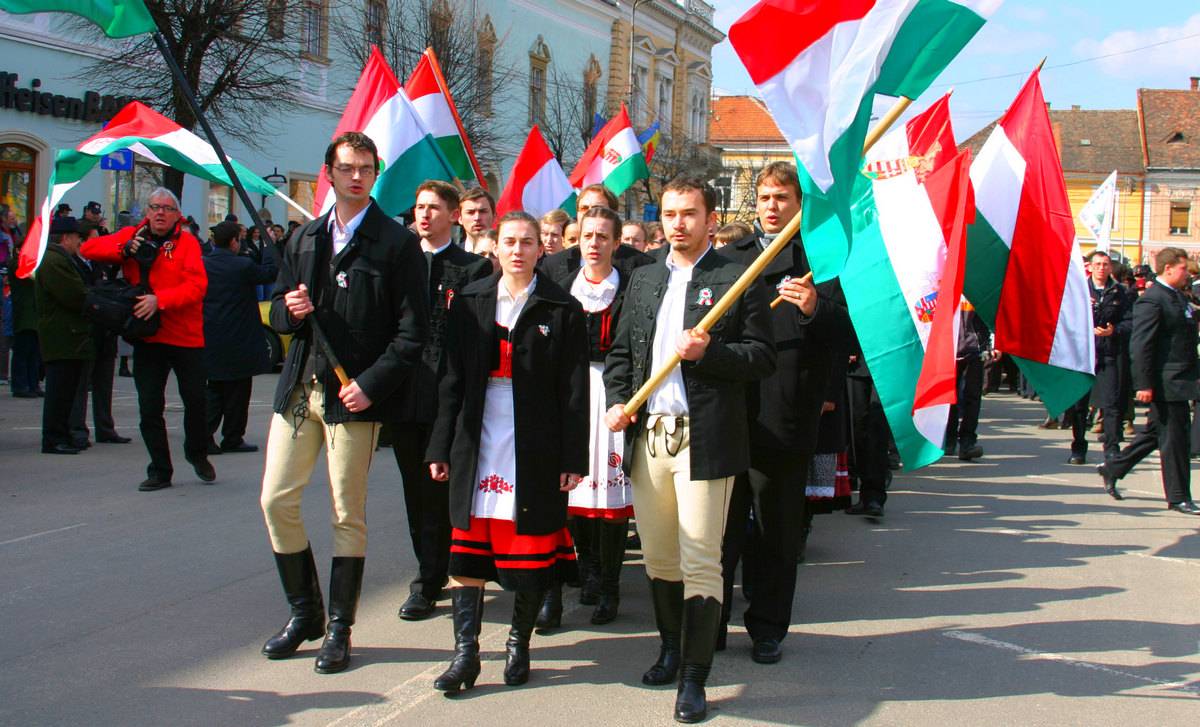
Przez około dekadę sprawa ograniczania praw narodowych mniejszości węgierskiej na Zakarpaciu antagonizowała relacje między Budapesztem a Kijowem.
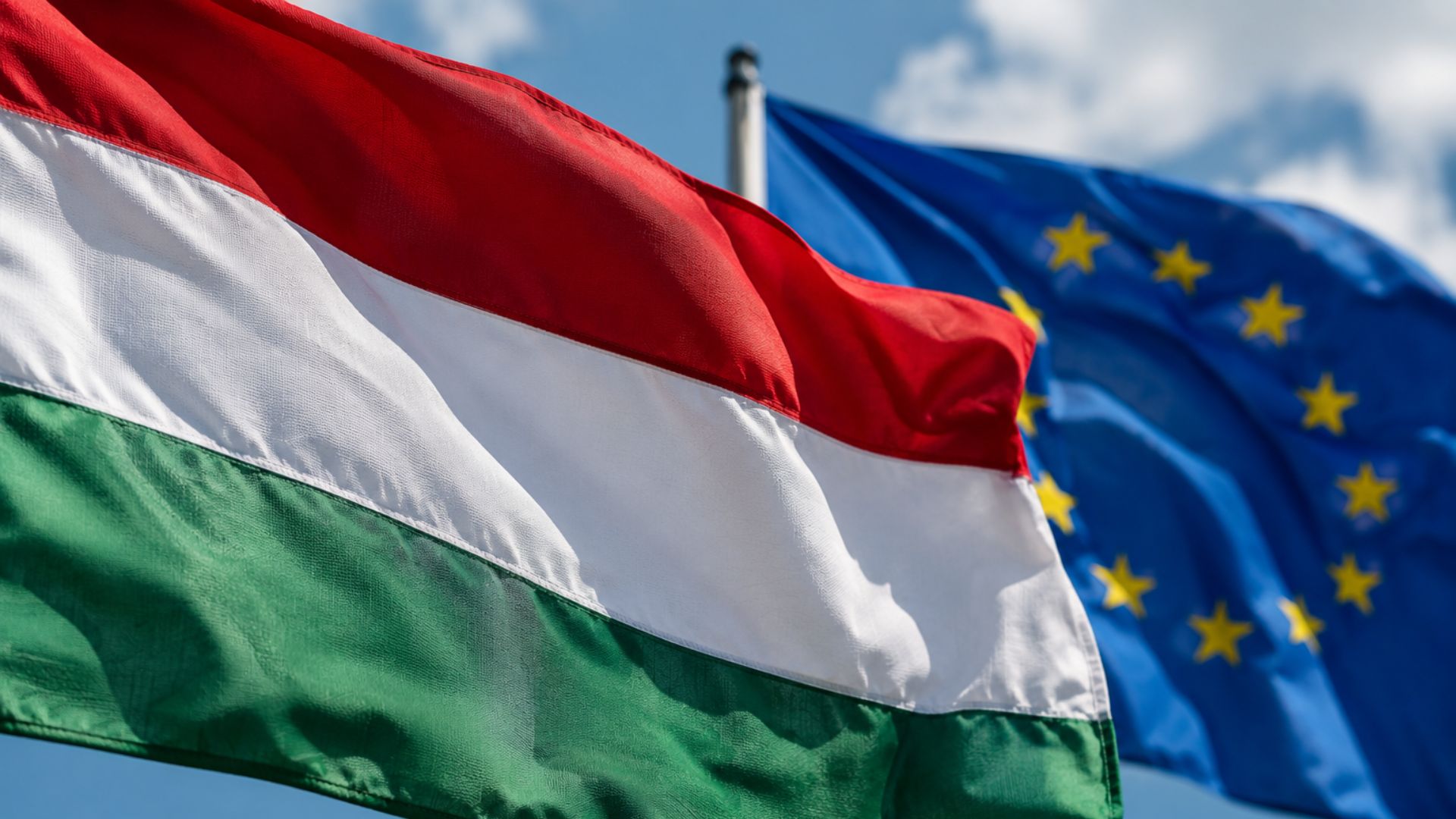
Nowy premier Węgier Péter Magyar ogłosił w środę wieczorem na Facebooku, że jego rząd osiągnął kompleksowe porozumienie z Ukrainą w sprawie rozszerzenia praw językowych, edukacyjnych, kulturalnych i politycznych dla mniejszości węgierskiej zamieszkującej w obwodzie zakarpackim, jak podał portal Daily News Hungary.
„Z wielką radością ogłaszamy, na dzień przed Dniem Jedności Narodowej, że rząd Ukrainy podjął decyzję o włączeniu uzgodnionych środków do swojego systemu prawnego w najbliższej przyszłości, przyznając tym samym naszym rodakom na Zakarpaciu znacznie szersze prawa edukacyjne, kulturalne, językowe i polityczne niż dotychczas" - napisał węgierski premier, nie konkretyzując jednak na czym konkretnie przywoływane ustalenia polegają.

Uniwersytet Jagielloński zajął 396. miejsce w najnowszym rankingu Center for World University Rankings i został najwyżej sklasyfikowaną polską uczelnią. W pierwszym tysiącu zestawienia znalazło się tylko 10 polskich uczelni i instytucji naukowych.
Center for World University Rankings opublikowało najnowszą edycję globalnego rankingu uczelni na 2026 rok. Pierwsze miejsce ponownie zajął Uniwersytet Harvarda, a za nim uplasowały się Massachusetts Institute of Technology oraz Uniwersytet Stanforda. Pierwszą piątkę zamknęły dwie uczelnie brytyjskie: Uniwersytet w Cambridge i Uniwersytet Oksfordzki.
Według komunikatu Uniwersytetu Jagiellońskiego pierwsza dziesiątka rankingu nie zmieniła się w porównaniu z poprzednim rokiem. Po pięciu najwyżej sklasyfikowanych uczelniach znalazły się Uniwersytet Princeton, Uniwersytet Pensylwanii, Uniwersytet Columbia, Uniwersytet Yale oraz Uniwersytet w Chicago.

Asseco Poland zaprezentowało system „Polski Antydron”, służący do wykrywania i monitorowania nisko lecących bezzałogowców. Rozwiązanie opiera się na sensorach akustycznych montowanych na latarniach ulicznych oraz algorytmach sztucznej inteligencji.
System pokazano pod koniec maja podczas Kongresu Bezpieczeństwo Polski, który odbywał się w Jasionce koło Rzeszowa.
Czujniki zasilane są z istniejącej infrastruktury oświetleniowej, a zebrane przez nie dźwięki trafiają przez sieć komórkową do Platformy Internetu Rzeczy Asseco. Tam algorytmy sztucznej inteligencji rozpoznają charakterystyczny odgłos drona, określają jego położenie i śledzą trasę lotu. Operator może obserwować ruch bezzałogowca, przewidywać jego dalszy kierunek i otrzymywać alerty, gdy obiekt naruszy wyznaczoną strefę.













Po angielsku: ‘Honorable Senators, Dear Friends of Poland,
I address you in response to the letter in which you expressed your concern about the affairs of Poland. The arguments you raised in this letter surprise me and I believe result from a lack of reliable information about the recent events in Poland. I wish to clarify this misunderstanding and outline for you facts about the recent actions of my government.
The last election to the parliament in Poland resulted in the victory of the Law and Justice party. For the first time since the onset of democratic change in Poland, the citizens have decided that the victorious political entity should have an independent majority. Poles chose the program of my party and expect its implementation. The government of Law and Justice that I head introduces changes that are awaited and supported by millions of Poles who last autumn gave us a mandate to govern.
Your diagnosis of the situation of the Polish Consitutional Tribunal is burdened by many errors and a substantial lack of knowledge of pertinent facts. I will allow myself to present these facts to you. The problem with the Constitutional Tribunal arises directly from actions of our predecessors who in contemplation of the threat of defeat in the upcoming election, perpetrated the appointment of judges above their prescribed quota in violation of the constitutional law. This illegal and irresponsible political act threw the Constitutional Tribunal off balance and made it an object of a political fight. The decisions of our predecessors introduced a severe disproportion into the Constitutional Tribunal; they were also a violation of the Constitution. This was stated by the Constitutional Tribunal in its decision of December 3, 2015.
The actions of the present parliamentary majority aimed only to correct this situation. No decision that was made violated the principles of a democratic state based on law. Moreover, we proposed that the opposition should have a stronger influence in the selection of judges to the Constitutional Tribunal. This solution follows the rules of pluralism and respect of the rights of the opposition. It is worth noting that it is the Polish government that requested an opinion of the Venice Commission, an institution of the European Council, on the legal propriety of these changes. During their visit, the representatives of the Commission had a full opportunity to check the process of changes in the Constitutional Tribunal. Also, the representatives of the European Parliament in Strassburg received from me a complete information about the situation in Poland.
The changes introduced by the parliamentary majority do not violate the European standards for public broadcasters. The regulations introduced by us are an attempt to return to the public media the authentic character of political impartiality which until then had been questioned by many groups in Poland.
Honorable Senators, for twenty five years Poland has been building democratic standards of a state based on law. The foundation of actions of my government are constitutional principles and respect for law. The changes we introduce may not please our political opponents and this is natural in a democratic state. However, I am surprised that an internal political conflict in my country gives rise to attempts to interfere in it by politicians of other countries.
In recent days we received information about a political discussion in the USA about the vacancy in the Supreme Court. I cannot imagine that politicians of other countries could join in this discussion or intervene in this matter. Lecturing Americans about their Constitution or imposing views upon them about an internal American political conflict would be incomprehensible and inappropriate for me. I am certain that such a situation would be unacceptable also for you.
Honorable Senators, dear friends of Poland: your concern about the affairs of Poland is important and valuable. But the interest and good will of American politicians should not transform into lecturing and imposing of action regarding the internal affairs of my country. Friendship built over many years must not fall victim to hasty judgments based on untrue information. We value our demcracy and liberty just as strongly as you do yours, our American friends. We have been building our country on the basis of these values with dedication for generations. We wish that our sovereign choices and decisions be respected. Poland is an independent state based on law in the center of united Europe. It is an active participant in building a democratic order. I believe that an honest assessment of any situation can be formulated only on the basis of facts and truth. For this reason I cordially invite you to visit Poland.
Sincerely,
Beata Szydło’
List jest stanowczo za dlugi, ton listu jest sluzalczy wobec senatorow i B.Szydlo niepotrzebnie tlumaczy sie ze wszystkiego trzem senatorom (Ben Cardin, John McCain i Richard J. Durbin) , ktorzy fabrykuja zarzuty oraz w chamski i bezczelny sposob probuja pouczac rzad B.Szydlo jak ma wygladac demokracja w Polsce i co powinna robic – vide przyklady: (
They said Poland’s action “threaten the independence of state media and the country’s highest court and undermine Poland’s role as a democratic model for other countries in the region still going through difficult transitions”….
“We urge your government to recommit to the core principles of the OSCE and the EU, including the respect for democracy, human rights, and rule of law,” the letter said.).